
The best cities to move to in USA 2026 are not just the cheapest or the fastest-growing. The right city has to balance housing value, career options, quality of life, safety, schools, healthcare, and how livable it stays once the honeymoon ends.
- Best cities to move to in 2026: quick rankings
- How we ranked these cities?
- Find the right city before you plan your move.
- Start with the city that fits your reason for moving
- Which city should you read first?
- The 15 best cities to move to in 2026
- 1. Overland Park, Kansas
- 2. Huntsville, Alabama
- 3. Raleigh, North Carolina
- 4. Naperville, Illinois
- 5. Madison, Wisconsin
- 6. Columbus, Ohio
- 7. Des Moines, Iowa
- 8. Charlotte, North Carolina
- 9. Plano, Texas
- 10. San Antonio, Texas
- 11. Nashville, Tennessee
- 12. Boise, Idaho
- 13. Salt Lake City, Utah
- 14. Tampa, Florida
- 15. Minneapolis, Minnesota
- Best cities by mover type
- Best cities for families
- Best cities for young professionals
- Best cities for remote workers
- Best cities for retirees
- Best cities for affordability
- Best cities by region
- Midwest value cities
- Sun Belt growth cities
- Mountain West lifestyle cities
- Southeast opportunity cities
- The metrics that actually matter when choosing a city
- Cities to approach with caution in 2026
- How to choose the right city for your situation
- FAQs about the best cities to move to in 2026
This ranking is built for people who are actually planning a move, not for clicks. So the list is practical. It does not just reward cities with high salaries, trendy downtowns, or good weather. It looks at whether daily life still works after rent, mortgage payments, taxes, commuting, and basic costs.
Housing matters more in 2026 than it did a few years ago. The National Association of Realtors reported that the median existing-home sales price hit $417,700 in April 2026, while inventory rose to 1.47 million homes, or 4.4 months of supply. Buyers have a bit more breathing room than before, but affordability is still tight in most markets.
Best cities to move to in 2026: quick rankings
| Rank | City | Best for | Housing signal | Rent signal | Job market signal | Honest catch |
|---|---|---|---|---|---|---|
| 1 | Overland Park, Kansas | Families and stable careers | Higher than national average | Moderate-high | Kansas City metro access | Not as cheap as people expect |
| 2 | Huntsville, Alabama | Affordability and engineering jobs | Affordable | Low | Very strong | Growth is changing the local feel |
| 3 | Raleigh, North Carolina | Remote workers and young families | Mid-high | Moderate | Strong | Home prices rose fast after 2020 |
| 4 | Naperville, Illinois | Schools and family life | High | High | Chicago metro access | Illinois taxes can be a drawback |
| 5 | Madison, Wisconsin | Quality of life and education | Mid-high | Moderate | Strong | Winters are long and cold |
| 6 | Columbus, Ohio | Affordable big-city living | Affordable | Low-moderate | Stable | Some neighborhoods vary sharply |
| 7 | Des Moines, Iowa | Affordability and retirees | Very affordable | Low | Stable | Smaller job market than major metros |
| 8 | Charlotte, North Carolina | Banking, jobs, and growth | Mid-range | Moderate | Strong | Traffic and sprawl are real |
| 9 | Plano, Texas | Families and corporate jobs | High | High | Dallas-Fort Worth access | Expensive by Texas standards |
| 10 | San Antonio, Texas | Affordability and no income tax | Affordable | Low-moderate | Stable | Wages can trail larger Texas metros |
| 11 | Nashville, Tennessee | Young professionals and culture | Mid-high | High | Strong | Housing has outpaced local wages |
| 12 | Boise, Idaho | Outdoor lifestyle and remote work | High | Moderate | Stable | Affordability has weakened |
| 13 | Salt Lake City, Utah | Outdoor access and job growth | High | Moderate | Stable | Housing costs are high |
| 14 | Tampa, Florida | Warm weather and no income tax | Mid-range | Moderate-high | Stable | Insurance and climate risk matter |
| 15 | Minneapolis, Minnesota | Jobs, healthcare, and amenities | Mid-range | Moderate | Stable | Cold weather and taxes may deter some movers |
Housing and rent signals are rounded from current market data, mostly Zillow’s April or May 2026 values for city-level home and rent markets. That covers Overland Park, Huntsville, Raleigh, Charlotte, San Antonio, Boise, Tampa, Columbus, Madison, and others.
How we ranked these cities?
The ranking uses six practical relocation factors:
Affordability and cost of living: how far a salary goes after housing, taxes, transportation, food, utilities, and healthcare.
Housing: typical home values, sale trends, rental costs, and whether buyers or renters still have realistic options.
Job market: metro unemployment, major industries, job diversity, and long-term career options.
Quality of life: commute patterns, amenities, walkability, green spaces, weather, and everyday comfort.
Safety and community: crime concerns, family suitability, neighborhood stability, and sense of community.
Education and healthcare: school quality, university presence, hospitals, and access to care.
The weighting is simple:
| Metric | Weight |
|---|---|
| Affordability and housing | 30% |
| Job market and economy | 25% |
| Quality of life | 20% |
| Safety and community | 15% |
| Education and healthcare | 10% |
This is how people actually pick where to live. A city with great nightlife but weak affordability should not outrank a city where families can buy a home, access good schools, find work, and build a stable life.
U.S. News says its 2025-2026 Best Places to Live methodology weighs job market, value, quality of life, and desirability. Livability’s 2026 list focuses on small-to-mid-sized cities and includes categories like economy, education, health, housing, cost of living, amenities, transportation, environment, and safety.
Cost-of-living data should be rechecked before publishing because city indexes shift every quarter. C2ER’s Cost of Living Index is one of the standard sources for comparing living costs across urban areas, and its 2025 annual material notes that the average across participating urban areas is set to 100.
Find the right city before you plan your move.
This guide compares the best cities to move to in 2026 by jobs, business opportunity, living cost, housing, schools, safety, healthcare, retirement fit, and everyday lifestyle.
Start with the city that fits your reason for moving
Every city in the full list has strengths and trade-offs. Use these quick picks as a starting point, then validate your shortlist with people who know the area in real life.
Best for families
Overland Park is a strong starting point for families that care about schools, safety, stable neighborhoods, parks, and long-term livability.
Best for affordability
Huntsville gives movers a rare mix of affordable housing, strong STEM jobs, business growth, and practical everyday living costs.
Best for jobs
Raleigh is a strong choice for professionals and remote workers because of tech, healthcare, education, research, and startup activity.
Which city should you read first?
Choose your biggest reason for moving and jump to the city profile that best matches your situation.
The 15 best cities to move to in 2026
1. Overland Park, Kansas
Best for: Families, schools, safety, and stable suburban living
Metro access: Kansas City metro
Strongest fit: Families, professionals, remote workers, and long-term homeowners
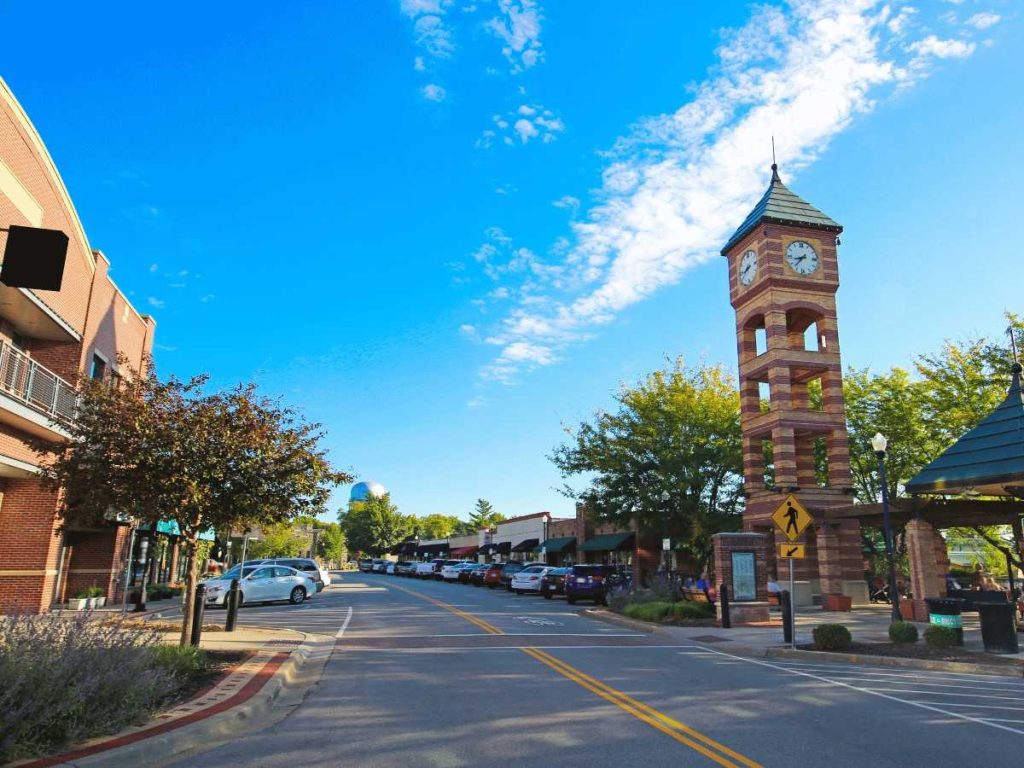
Overland Park is one of the best cities to move to in 2026 if you want strong schools, stable neighborhoods, low daily stress, and access to a larger job market without living directly inside a major city. It gives residents the benefits of the Kansas City metro while keeping a more polished suburban feel.
Jobs and business:
Overland Park benefits from the broader Kansas City economy, including healthcare, finance, logistics, insurance, education, telecommunications, and professional services. It is a strong fit for people who want corporate access without the higher living costs of coastal business hubs.
Cost of living and housing:
Overland Park is not the cheapest city on this list, but it still offers better value than many high-income suburbs near coastal metros. Zillow showed the average Overland Park home value at $487,466 as of April 30, 2026, with average rent at $1,775, below Zillow’s listed national average rent of $1,930 at that time.
Safety, schools, and family life:
This is where Overland Park stands out. The city is known for family-friendly neighborhoods, strong public schools, parks, youth sports, libraries, and a steady sense of community. For families choosing a city based on education and long-term property value, Overland Park deserves a top spot.
Healthcare, retirement, and lifestyle:
Healthcare access is strong because of the Kansas City metro. Retirees may like the calmer pace, organized neighborhoods, and access to doctors, shopping, and parks. The lifestyle is suburban, comfortable, and practical rather than nightlife-heavy.
The honest catch:
Overland Park is no longer a hidden bargain. Home prices are high for Kansas, and buyers should compare nearby Lenexa, Olathe, Shawnee, Leawood, and other Kansas City suburbs before choosing.
2. Huntsville, Alabama
Best for: Affordability, aerospace, engineering, defense, and STEM careers
Metro access: Huntsville metro
Strongest fit: Engineers, defense workers, first-time buyers, families, and affordability-focused movers
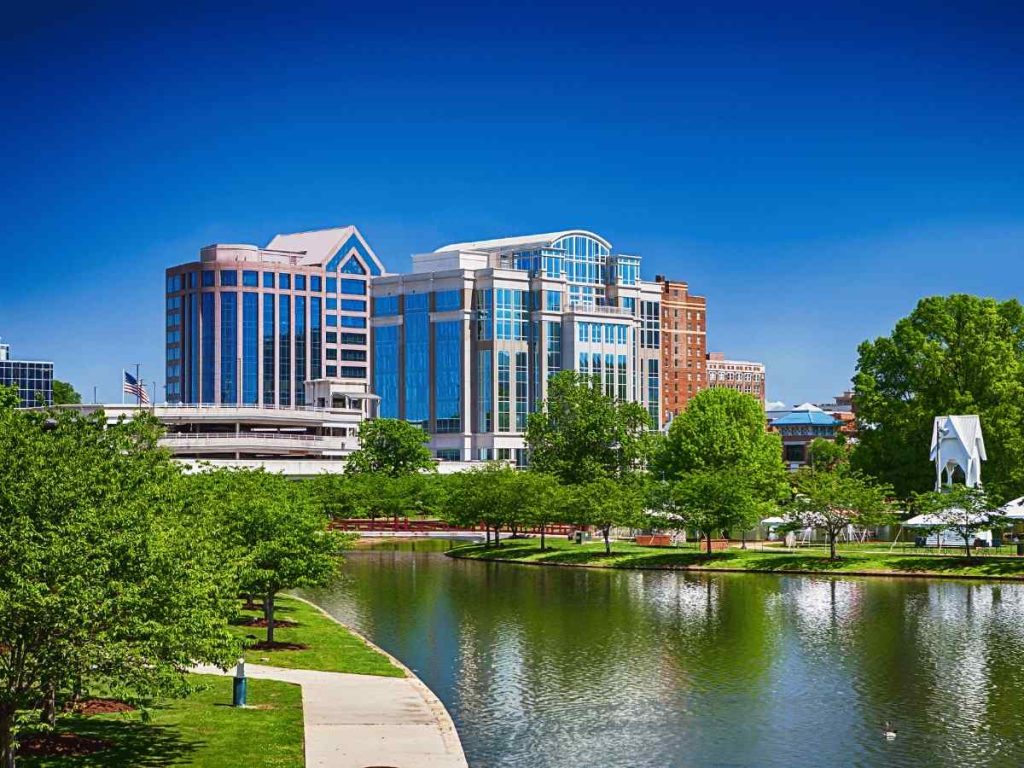
Huntsville is one of the strongest relocation choices in the United States because it combines affordable housing with a serious job market. Many affordable cities have weak career options. Huntsville is different. It has a deep employment base in aerospace, defense, engineering, technology, advanced manufacturing, and research.
Jobs and business:
The local economy is anchored by Redstone Arsenal, NASA-related work, defense contractors, engineering firms, and research employers. This makes Huntsville especially attractive for STEM professionals, military families, government contractors, and technical workers.
Cost of living and housing:
Huntsville remains one of the best-value cities on this list. Zillow showed the average Huntsville home value at $288,707 as of April 30, 2026, and average rent at $1,302, far below the national average rent shown on the same Zillow page.
Safety, schools, and family life:
Families should research specific school zones and neighborhoods, but Huntsville offers a practical mix of newer housing, suburban communities, and family-oriented development. Madison, nearby suburbs, and planned communities may appeal to families looking for newer schools and quieter streets.
Healthcare, retirement, and lifestyle:
Huntsville works for retirees who want affordability, warmer weather, and access to healthcare without paying Florida-style insurance and coastal premiums. The lifestyle is quieter than Nashville or Charlotte, but that is part of the appeal.
The honest catch:
Growth is changing Huntsville. Traffic, housing demand, and local prices have increased. It is still affordable, but it does not feel as small or undiscovered as it did a decade ago.
3. Raleigh, North Carolina
Best for: Remote workers, young families, tech, healthcare, and education
Metro access: Research Triangle
Strongest fit: Professionals, young families, university-linked workers, and remote workers
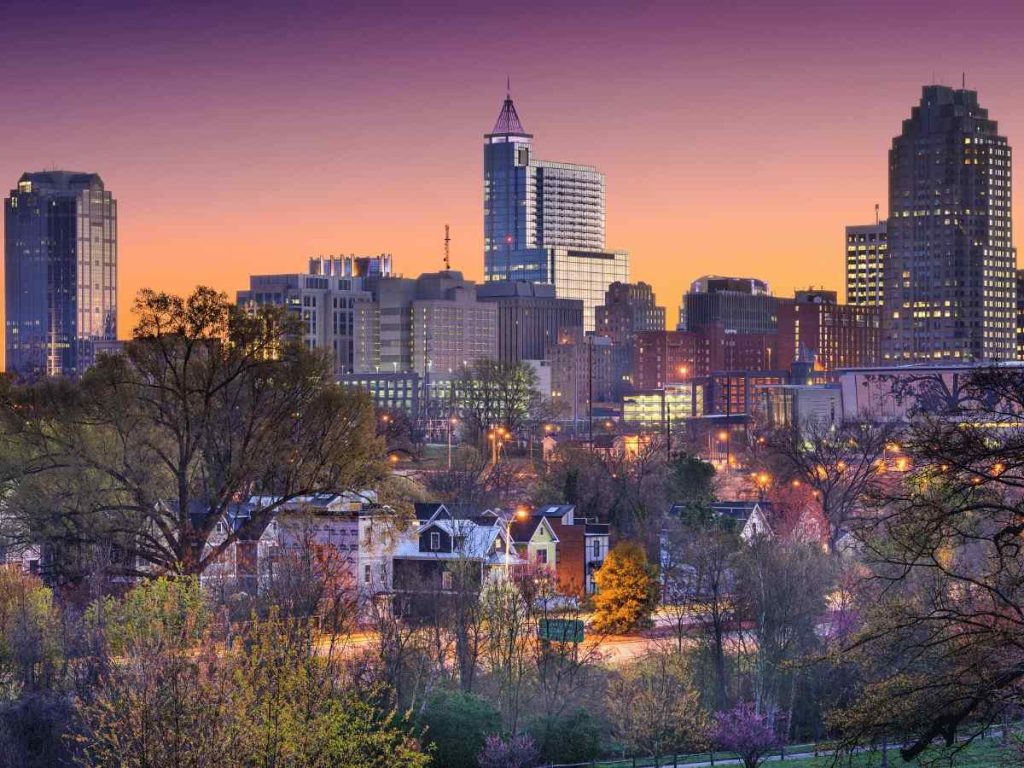
Raleigh is one of the best cities to move to in 2026 for people who want career growth without the intensity of a much larger metro. It has the rare mix of universities, research, healthcare, biotech, software, public-sector work, and family-friendly suburbs.
Jobs and business:
The Research Triangle gives Raleigh a strong employment base. Tech, life sciences, healthcare, education, research, government, and startups all play a role. It is a strong choice for workers who want more opportunity than a small city but do not want the cost or pressure of New York, San Francisco, Boston, or Seattle.
Cost of living and housing:
Raleigh is not cheap anymore, but it still offers a better career-to-cost balance than many coastal hubs. Zillow showed the average Raleigh home value at $435,807 as of April 30, 2026, while Zillow Rentals showed average rent at $1,845 as of May 12, 2026.
Safety, schools, and family life:
Raleigh is popular with families because of its suburbs, parks, school options, universities, and stable neighborhoods. Cary, Apex, Wake Forest, Garner, and Clayton are common alternatives for families who want different housing prices or school zones.
Healthcare, retirement, and lifestyle:
Healthcare access is strong because of the Triangle’s medical systems and universities. Retirees who want a warmer climate, educated community, and good healthcare may find Raleigh appealing, though housing costs should be reviewed carefully.
The honest catch:
Raleigh’s home prices rose sharply after 2020. It is still a strong city, but buyers expecting an affordable Southern bargain may be surprised.
4. Naperville, Illinois

Best for: Schools, family life, safety, and Chicago-area careers
Metro access: Chicago metro
Strongest fit: Families, established professionals, and long-term suburban homeowners
Naperville is one of the best places to live for families who care about schools, neighborhood quality, safety, parks, and long-term stability. It gives residents access to the Chicago job market while offering a highly developed suburban lifestyle.
Jobs and business:
Naperville’s job advantage comes from its connection to the broader Chicago metro. Residents can access careers in finance, healthcare, insurance, logistics, education, technology, law, and corporate services. Local business owners also benefit from a high-income suburban population.
Cost of living and housing:
Naperville is expensive compared with many Midwest cities. Housing, property taxes, and general household costs can be high. But many families accept the premium because of the schools, amenities, and long-term neighborhood stability.
Safety, schools, and family life:
This is Naperville’s strongest category. It is known for strong schools, polished neighborhoods, parks, libraries, youth activities, and a family-first environment. For parents, the education factor is often the main reason to move here.
Healthcare, retirement, and lifestyle:
Healthcare access is strong because of the Chicago metro and nearby suburban medical systems. Retirees who want safety, healthcare, shopping, and family proximity may like Naperville, but Illinois taxes and winter weather can be drawbacks.
The honest catch:
Naperville is not a low-cost Midwest city. Property taxes and home prices can be a major issue, especially for retirees or families moving from lower-tax states.
5. Madison, Wisconsin
Best for: Education, healthcare, public-sector jobs, and quality of life
Metro access: Madison metro
Strongest fit: Healthcare workers, university professionals, families, and outdoor-minded movers
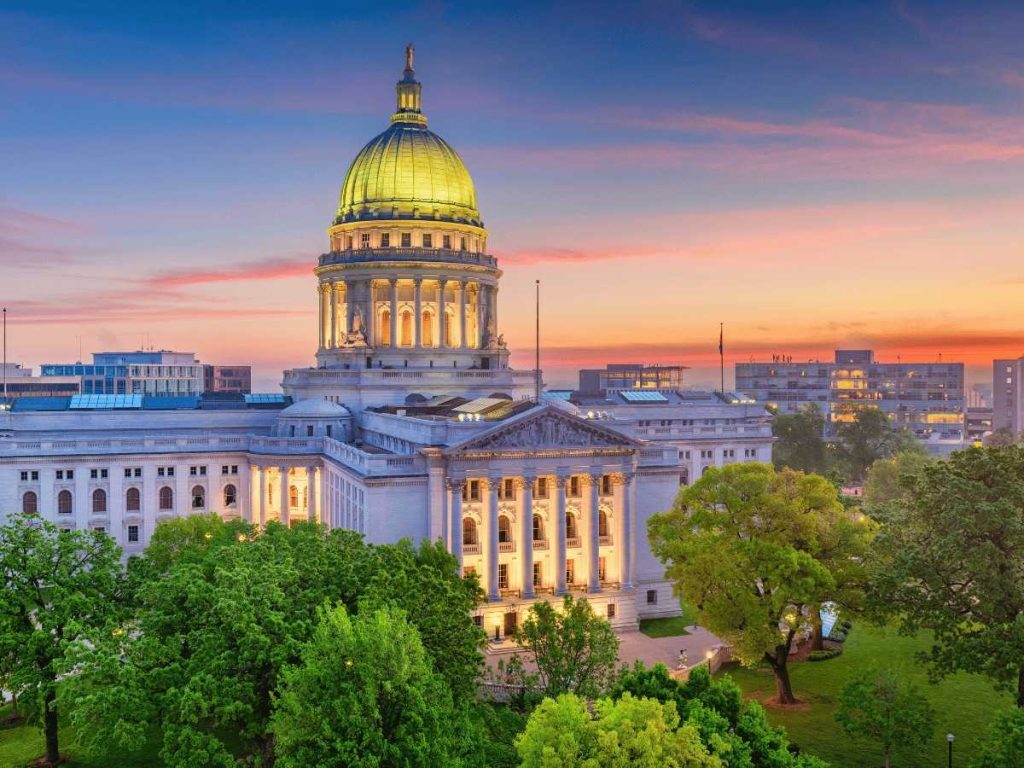
Madison is a strong all-around city because it combines a university economy, healthcare access, government jobs, lakes, parks, and a strong local culture. It feels smaller and easier than Chicago or Minneapolis but still has enough amenities to support a full lifestyle.
Jobs and business:
Madison’s economy is built around the University of Wisconsin, healthcare, state government, insurance, research, technology, and professional services. It is a good fit for people who want stability rather than boom-and-bust growth.
Cost of living and housing:
Madison is not the cheapest city in the Midwest, but it gives residents a high quality of life for the cost. Housing can be competitive near popular neighborhoods, the university, and lake areas. Buyers often need to compare city neighborhoods with nearby suburbs.
Safety, schools, and family life:
Madison works well for families who value education, parks, libraries, bike paths, and community life. The school picture can vary by neighborhood, so families should research specific districts and boundaries.
Healthcare, retirement, and lifestyle:
Madison has strong healthcare access, a university-town feel, lakes, trails, farmers markets, and a healthy outdoor culture. Retirees who enjoy education, healthcare, nature, and civic life may find it attractive.
The honest catch:
Winter is a real factor. Madison can feel long, cold, and gray for people moving from warmer states. The best way to test the city is to visit in January or February, not only in summer.
6. Columbus, Ohio

Best for: Affordable big-city living, young professionals, and first-time buyers
Metro access: Columbus metro
Strongest fit: Young professionals, families, renters, students, and buyers seeking value
Columbus is one of the most practical cities to move to in 2026. It offers a large metro economy, a major university, healthcare systems, insurance companies, logistics, retail, tech growth, sports, restaurants, and a lower cost of living than many faster-growing metros.
Jobs and business:
Columbus has a broad job base. Major employment categories include education, healthcare, government, finance, insurance, logistics, retail headquarters, and technology. The presence of Ohio State University also supports research, healthcare, and startup activity.
Cost of living and housing:
Columbus is one of the better large-city values in the Midwest. Housing is more affordable than Raleigh, Nashville, Tampa, Salt Lake City, or Boise. This makes it attractive to renters and first-time buyers who still want real city amenities.
Safety, schools, and family life:
Columbus is very neighborhood-dependent. Some areas are excellent for families and young professionals, while others require more caution. Suburbs such as Dublin, Worthington, Westerville, Hilliard, and Upper Arlington are common options for families focused on schools.
Healthcare, retirement, and lifestyle:
Healthcare access is strong because of major hospital systems and Ohio State. The lifestyle is balanced: sports, restaurants, parks, college-town energy, and practical daily living without the prices of larger coastal cities.
The honest catch:
Columbus is not equally strong in every neighborhood. Movers should research ZIP codes, school districts, commute routes, and safety before choosing where to live.
7. Des Moines, Iowa
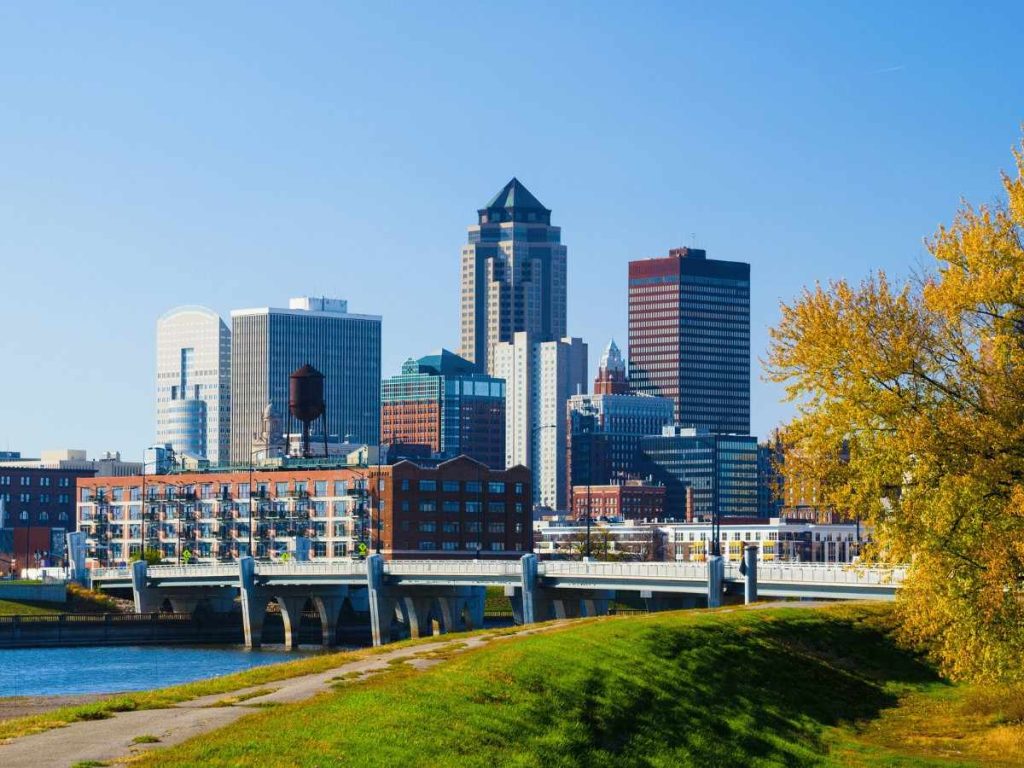
Best for: Affordability, insurance jobs, retirees, and low-stress living
Metro access: Des Moines metro
Strongest fit: Budget-focused movers, retirees, finance workers, and remote workers
Des Moines is one of the best cities for people who want lower living costs without moving to a very small town. It has enough jobs, healthcare, restaurants, parks, and cultural amenities to feel complete, but it keeps a calmer pace than larger metros.
Jobs and business:
The city is known for insurance, finance, government, healthcare, logistics, and professional services. It is a strong fit for people in those sectors, as well as remote workers who want their income to stretch further.
Cost of living and housing:
This is Des Moines’ biggest advantage. Rent, home prices, commuting, parking, and daily expenses are generally easier to manage than in most larger cities. It is a strong choice for first-time buyers, retirees, and families trying to avoid housing stress.
Safety, schools, and family life:
Des Moines offers a mix of urban and suburban living. Families often compare Des Moines proper with nearby suburbs such as West Des Moines, Ankeny, Urbandale, Johnston, and Waukee for schools and neighborhood fit.
Healthcare, retirement, and lifestyle:
Des Moines is underrated for retirees because it offers affordability, healthcare access, shorter commutes, and a less stressful daily rhythm. It does not offer warm winters, but it does offer practical living.
The honest catch:
The job market is smaller than Raleigh, Charlotte, Dallas-Fort Worth, or Nashville. If your career is specialized, make sure your industry has enough depth before moving.
8. Charlotte, North Carolina

Best for: Banking, corporate jobs, airport access, and growth
Metro access: Charlotte metro
Strongest fit: Young professionals, corporate workers, families, and career movers
Charlotte is one of the strongest Sun Belt cities for people moving for jobs. It has a major banking and corporate base, strong airport access, growing suburbs, sports, restaurants, and a large professional population.
Jobs and business:
Charlotte is especially strong in banking, finance, corporate services, energy, healthcare, logistics, and real estate. It is a good fit for people who want a larger job market than Raleigh but still want a more manageable cost profile than many coastal metros.
Cost of living and housing:
Charlotte is more affordable than New York, Washington, Boston, or San Francisco, but it is no longer cheap. Housing costs vary widely depending on whether you choose central neighborhoods, established suburbs, or outer growth areas.
Safety, schools, and family life:
Like many fast-growing metros, Charlotte is neighborhood-sensitive. Families often compare school districts in areas such as Matthews, Huntersville, Fort Mill, Ballantyne, Concord, and other suburbs before choosing.
Healthcare, retirement, and lifestyle:
Healthcare access is strong, and the city offers sports, restaurants, events, parks, and airport connectivity. Retirees may like the mild climate and access to healthcare, though traffic and sprawl can be frustrating.
The honest catch:
Growth has created traffic, sprawl, and uneven affordability. The right Charlotte experience depends heavily on where you live relative to work, school, and daily errands.
9. Plano, Texas

Best for: Corporate jobs, schools, families, and Dallas-Fort Worth access
Metro access: Dallas-Fort Worth metro
Strongest fit: Families, corporate professionals, high earners, and relocation buyers
Plano is one of the strongest suburban job centers in Texas. It gives residents access to major employers, strong schools, shopping, healthcare, restaurants, parks, and the broader Dallas-Fort Worth economy.
Jobs and business:
Plano benefits from corporate headquarters, regional offices, finance, technology, healthcare, insurance, and professional services. Its location inside the DFW metro makes it a strong base for workers who want suburban life without disconnecting from a major economy.
Cost of living and housing:
Plano is expensive by Texas standards. The no-state-income-tax benefit helps, but buyers must factor in property taxes, insurance, HOA fees, and higher suburban home prices. State income tax is a major relocation factor in 2026, and Texas remains one of the states without a broad individual income tax.
Safety, schools, and family life:
Plano is popular with families because of schools, organized neighborhoods, youth activities, retail access, and a polished suburban environment. It is one of the stronger family-life cities on this list.
Healthcare, retirement, and lifestyle:
Healthcare access is strong because of the DFW region. Retirees may like the amenities and no state income tax, but the pace, heat, and property taxes may not fit everyone.
The honest catch:
Plano is not budget Texas. If affordability is your top reason for moving to Texas, San Antonio or outer DFW suburbs may make more sense.
10. San Antonio, Texas

Best for: Affordability, culture, military families, and no state income tax
Metro access: San Antonio metro
Strongest fit: First-time buyers, retirees, military families, remote workers, and value-focused movers
San Antonio is one of the best large cities to move to if you want affordability, culture, warm weather, and no state income tax. It offers a lower-cost alternative to Austin and many parts of Dallas-Fort Worth while still giving residents a major metro lifestyle.
Jobs and business:
San Antonio’s economy includes healthcare, military, cybersecurity, tourism, education, logistics, financial services, and government work. It is not as high-paying as Austin or Dallas in every field, but it offers a stronger cost-to-lifestyle balance.
Cost of living and housing:
Housing is one of San Antonio’s biggest advantages. It is more affordable than many major metros and can work well for buyers who have been priced out of Austin, Tampa, Raleigh, or Nashville.
Safety, schools, and family life:
San Antonio is large and diverse, so neighborhood research is important. Families should compare school districts, commute routes, and suburban options such as Alamo Heights, Stone Oak, Helotes, Boerne, and New Braunfels-area communities.
Healthcare, retirement, and lifestyle:
San Antonio is appealing for retirees because of warm weather, healthcare access, culture, food, history, and no state income tax. The pace is more relaxed than Austin or Dallas.
The honest catch:
Local wages can be lower than in other large Texas metros. The city works best when the lower housing cost actually offsets the difference in income.
11. Nashville, Tennessee

Best for: Young professionals, healthcare, music, culture, and no state income tax
Metro access: Nashville metro
Strongest fit: Young professionals, healthcare workers, creatives, entrepreneurs, and culture-focused movers
Nashville remains one of the most popular cities to move to because it has a strong brand, a growing economy, music, restaurants, healthcare, tourism, universities, and no state income tax. It is especially appealing to young professionals who want energy without moving to a coastal city.
Jobs and business:
Healthcare is one of Nashville’s strongest economic anchors. The city also has jobs in tourism, music, entertainment, education, logistics, startups, real estate, and professional services. Entrepreneurs may like the city’s networking culture and growth energy.
Cost of living and housing:
Nashville is no longer cheap. Housing and rent have climbed as more people moved in. The no-income-tax benefit helps, but movers should compare rent, home prices, car insurance, sales tax, and entertainment costs before assuming Nashville is affordable.
Safety, schools, and family life:
Families should research neighborhoods carefully. Nashville has excellent suburbs and family areas, but the best fit may be in places such as Franklin, Brentwood, Hendersonville, Mount Juliet, or Nolensville, depending on budget.
Healthcare, retirement, and lifestyle:
Healthcare access is strong. Retirees may like the tax environment and medical access, but traffic, tourism, and housing costs can reduce the appeal.
The honest catch:
Nashville’s popularity has pushed housing ahead of many local wages. It is a great city, but not the bargain people sometimes imagine.
12. Boise, Idaho

Best for: Outdoor lifestyle, remote work, and smaller-city living
Metro access: Boise metro
Strongest fit: Remote workers, outdoor lovers, families, and lifestyle movers
Boise is one of the best cities to move to for people who want outdoor access, a smaller metro feel, cleaner daily living, and a slower pace than larger Western cities. It is especially attractive to remote workers who can bring outside income.
Jobs and business:
Boise has jobs in technology, healthcare, education, government, construction, logistics, and professional services. It is not as deep as Seattle, Denver, or Salt Lake City, but it is strong for its size.
Cost of living and housing:
Boise’s biggest weakness is housing. The same lifestyle that made it attractive also made it expensive. It may still feel affordable to people coming from California, Washington, or Colorado, but local buyers often feel the pressure.
Safety, schools, and family life:
Boise is often attractive to families because of its calmer feel, outdoor culture, parks, and nearby suburban communities. Families should compare Boise with Meridian, Eagle, Nampa, and other Treasure Valley areas.
Healthcare, retirement, and lifestyle:
The lifestyle is the main draw. Trails, mountains, rivers, skiing, biking, and outdoor recreation are close by. Retirees may like the pace and scenery, though healthcare needs and winter tolerance should be considered.
The honest catch:
Boise’s affordability has weakened sharply. It is best for people who strongly value lifestyle and have the income to support the housing cost.
13. Salt Lake City, Utah

Best for: Outdoor access, young professionals, business, and active lifestyles
Metro access: Salt Lake City metro
Strongest fit: Outdoor-minded professionals, families, tech workers, and entrepreneurs
Salt Lake City is one of the strongest Mountain West choices because it combines outdoor access with a serious job market. Few cities offer skiing, hiking, universities, healthcare, startups, finance, and business access in one package.
Jobs and business:
The region is strong in technology, finance, healthcare, education, outdoor industries, government, and professional services. It is a good fit for workers who want career opportunity but do not want a coastal market.
Cost of living and housing:
Housing is the main challenge. Salt Lake City has become expensive, especially for first-time buyers. Renting may be more practical at first while movers learn the neighborhoods and commute patterns.
Safety, schools, and family life:
Families often look across the metro rather than only Salt Lake City proper. Suburbs such as Sandy, Draper, South Jordan, Lehi, and Bountiful may appeal depending on job location, budget, schools, and lifestyle.
Healthcare, retirement, and lifestyle:
Healthcare access is strong, and the lifestyle is excellent for active residents. Retirees who want outdoor access may like the area, but winter weather, air quality concerns, and housing costs should be considered.
The honest catch:
Salt Lake City offers a great lifestyle, but the price reflects that. Buyers need to be realistic about housing costs before moving.
14. Tampa, Florida
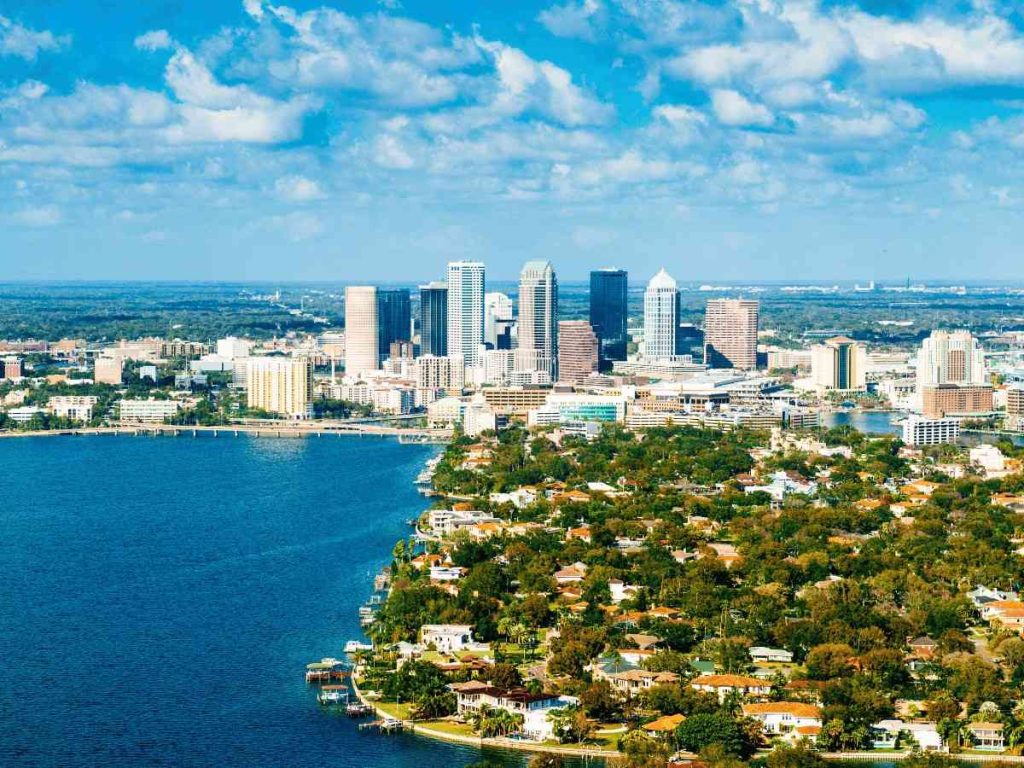
Best for: Warm weather, healthcare, no state income tax, and coastal access
Metro access: Tampa Bay metro
Strongest fit: Retirees, healthcare workers, remote workers, and warm-weather movers
Tampa remains one of the most attractive Florida cities because it offers warm weather, healthcare, airport access, sports, restaurants, nearby beaches, and no state income tax. It can feel like a major lifestyle upgrade for people leaving colder or higher-tax states.
Jobs and business:
Tampa’s economy includes healthcare, finance, insurance, tourism, logistics, education, defense-related work, and professional services. It is also popular with remote workers and entrepreneurs who want Florida residency without choosing Miami.
Cost of living and housing:
Tampa is more affordable than Miami, but total ownership cost can still be high. Buyers must consider home price, property taxes, HOA fees, homeowners insurance, flood insurance, and hurricane risk.
Safety, schools, and family life:
Tampa is neighborhood-sensitive. Families often compare South Tampa, Westchase, Carrollwood, Brandon, Riverview, Wesley Chapel, and St. Petersburg-area options depending on schools, commute, and budget.
Healthcare, retirement, and lifestyle:
Healthcare access is strong, and the lifestyle is a major draw. Retirees like the weather, airport access, medical care, and beaches. But insurance and climate risk must be part of the retirement budget.
The honest catch:
Florida affordability can look better on paper than it feels in real life. Insurance, flood zones, hurricanes, and rising housing costs can change the math quickly.
15. Minneapolis, Minnesota

Best for: Healthcare, corporate jobs, parks, arts, and urban amenities
Metro access: Twin Cities metro
Strongest fit: Healthcare workers, corporate professionals, families, and people who want city amenities without coastal prices
Minneapolis is one of the best cities to live in the USA for people who want a real urban lifestyle, major employers, healthcare, universities, parks, lakes, restaurants, and cultural amenities. It is more affordable than many coastal cities while still offering a deep job market.
Jobs and business:
The Twin Cities economy includes healthcare, corporate headquarters, finance, retail, education, manufacturing, food companies, medical technology, and professional services. It is one of the more complete job markets in the Midwest.
Cost of living and housing:
Minneapolis is not the cheapest Midwest city, but it offers a strong value compared with major coastal metros. Housing and rent are usually more manageable than in Seattle, Boston, New York, or San Francisco.
Safety, schools, and family life:
Safety and school quality vary by neighborhood and suburb. Families often compare Minneapolis proper with suburbs such as Edina, St. Louis Park, Plymouth, Minnetonka, Bloomington, and Maple Grove.
Healthcare, retirement, and lifestyle:
Healthcare access is excellent, and the city offers parks, lakes, biking, museums, restaurants, sports, and arts. Retirees who value healthcare and amenities may like the area, but the winter climate is a serious factor.
The honest catch:
Cold weather and taxes may turn some movers away. Minneapolis is best for people who value jobs, culture, healthcare, parks, and civic amenities more than warm weather or low taxes.
Best cities by mover type
Best cities for families
The best cities for families in 2026 are Overland Park, Naperville, Plano, Madison, and Raleigh. These cities combine schools, safety, parks, healthcare access, stable housing demand, and a strong sense of community.
Overland Park and Naperville are the classic family-first picks. Plano is best if you want Texas job access and strong suburbs. Madison is ideal for education and quality of life. Raleigh works for families that want career growth, universities, and a warmer climate than the Upper Midwest.
Best cities for young professionals
For young professionals, the strongest picks are Charlotte, Nashville, Raleigh, Columbus, and Austin-adjacent markets like Plano. Jobs, restaurants, social life, apartments, and career mobility are all in reach.
Charlotte is strongest for banking and corporate careers. Nashville is strongest for healthcare, entertainment, tourism, and culture. Raleigh is better for tech, research, education, and biotech. Columbus is one of the most affordable large-city options for early-career professionals.
Best cities for remote workers
The best cities for remote workers are Raleigh, Boise, San Antonio, Tampa, and Des Moines. The best remote-work city is not always the trendiest. It is the city where your income stretches, your internet is reliable, your housing is stable, and your daily life feels easier.
San Antonio and Tampa also benefit from no state income tax. Boise gives remote workers outdoor access. Raleigh gives them a strong professional network. Des Moines gives them low rent and low-stress living.
Best cities for retirees
For retirees, the strongest picks are Des Moines, Sarasota, Tampa, San Antonio, and Madison. Des Moines stands out for affordability. Sarasota and Tampa stand out for weather and healthcare, though insurance costs need careful review. San Antonio has value plus no state income tax. Madison has healthcare, culture, and university-town amenities, just with colder weather.
Best cities for affordability
The most affordable cities on this list are Des Moines, Huntsville, San Antonio, Columbus, and parts of Charlotte. These cities give movers a better shot at controlling housing costs while still keeping access to jobs, healthcare, and daily amenities.
Best cities by region
Midwest value cities
The Midwest is still one of the best regions for value. Overland Park, Naperville, Madison, Columbus, Des Moines, and Minneapolis all offer different versions of stability. The Midwest is not always the cheapest once you factor in taxes and winter costs, but it usually gives buyers more space, better schools, and less housing volatility than most Sun Belt boom markets.
Sun Belt growth cities
The Sun Belt still attracts movers because of jobs, weather, taxes, and new housing. Raleigh, Charlotte, Nashville, San Antonio, Plano, and Tampa all benefit from that. Sun Belt growth comes with trade-offs now: more traffic, higher insurance costs in some states, hotter summers, and rising home prices.
Recent Census Bureau estimates show that U.S. metro areas grew overall between 2024 and 2025, but metros as a group lost population through net domestic migration, with gains offset by international migration and natural increase. That makes city-level selection more important than just following broad migration trends.
Mountain West lifestyle cities
Boise and Salt Lake City are the Mountain West standouts in this ranking. They appeal because of outdoor access, clean scenery, and active lifestyles. The drawback is housing. The same lifestyle that attracts movers has also made these markets expensive.
Southeast opportunity cities
The Southeast mixes affordability and job growth. Huntsville, Raleigh, Charlotte, and Nashville are the strongest examples. These cities work for families, young professionals, and career movers who want more space than coastal metros provide.
The metrics that actually matter when choosing a city
A ranking is useful, but it should not make the decision for you. The best city depends on your income, job type, family needs, lifestyle, and long-term plans.
Start with housing. Compare the monthly cost of buying or renting, not just the headline home price. A city with cheaper homes may still have high insurance, property taxes, HOA fees, or commuting costs.
Next, look at your job market. A low unemployment rate helps, but your industry matters more. Huntsville is excellent for engineering. Charlotte is strong for banking. Raleigh is strong for tech, universities, and healthcare. Nashville is strong for healthcare and entertainment. Des Moines is strong for insurance and finance.
Then check taxes. States with no broad wage income tax can help, but they often collect more through property taxes, sales taxes, fees, or insurance costs. Tax Foundation data is useful when comparing state income tax rates and brackets.
Finally, think about daily life. Schools, commute, healthcare, climate, walkability, safety, and community matter more after the move than they do while you are reading rankings.
Cities to approach with caution in 2026
This does not mean these cities are bad. It means movers should do extra research before relocating.
Austin, Texas still has jobs and culture, but its housing market corrected after a major boom. Recent reporting highlighted Austin as one of the slower-selling major markets, with high inventory and pricing pressure.
Miami, Florida is still desirable, but high prices, insurance costs, climate exposure, and affordability pressure make it harder for typical buyers.
Sarasota, Florida is attractive for retirees and coastal living, but Zillow shows Sarasota home values down year over year and rents still high. Movers should study insurance, flood zones, and hurricane exposure carefully.
Large coastal California metros can still pay strong salaries and offer culture and jobs, but affordability is a major barrier. The smarter move is often to rent first, test commute patterns, and avoid buying before you understand local costs.
How to choose the right city for your situation
Use this simple filter before picking where to move:
| Your priority | Best-fit cities |
|---|---|
| Lowest housing cost | Des Moines, Huntsville, San Antonio, Columbus |
| Strong job market | Raleigh, Charlotte, Nashville, Huntsville, Plano |
| Best for families | Overland Park, Naperville, Plano, Madison, Raleigh |
| Best for remote workers | Raleigh, Boise, San Antonio, Tampa, Des Moines |
| Best for retirees | Des Moines, Sarasota, Tampa, San Antonio, Madison |
| Best outdoor lifestyle | Boise, Salt Lake City, Madison, Raleigh |
| No state income tax | San Antonio, Plano, Nashville, Tampa |
A city is only “best” if it fits your actual life. A remote worker on a coastal salary may find Boise or Tampa reasonable. A first-time buyer may find Columbus or Des Moines much smarter. A family focused on schools may prefer Overland Park, Naperville, or Plano even if the homes cost more.
Best cities by lifestyle and moving goal
Best for families: Overland Park, Naperville, Plano, Madison, Raleigh
Best for affordability: Des Moines, Huntsville, San Antonio, Columbus
Best for jobs: Raleigh, Charlotte, Huntsville, Nashville, Plano
Best for business owners: Charlotte, Nashville, Raleigh, Plano, Tampa
Best for retirees: Des Moines, San Antonio, Tampa, Sarasota, Madison
Best for remote workers: Raleigh, Boise, San Antonio, Tampa, Des Moines
Best for schools: Naperville, Overland Park, Plano, Madison
Best for outdoor lifestyle: Boise, Salt Lake City, Madison, Raleigh
Best for no state income tax: Plano, San Antonio, Nashville, Tampa
A city should not win just because it ranks well overall. A family with school-age children, a retiree, a remote worker, and a young professional need different things. That is why the best places to live in 2026 should be filtered by the mover’s actual lifestyle, not only by a national score.
The broader data supports this kind of practical filtering. Livability says its Best Places list uses categories such as economy, housing and cost of living, amenities, transportation, environment, safety, education, and health, while U.S. News says its 2025–2026 Best Places to Live ranking considers job market, value, quality of life, and desirability.
Cities to approach with caution in 2026
Some cities are still great places to live, but they need extra research before moving.
Austin, Texas still has jobs, culture, and tech, but housing affordability has shifted. Buyers should compare Austin with San Antonio, Dallas-Fort Worth suburbs, and other Texas markets.
Miami, Florida offers weather, culture, and international business, but housing, insurance, traffic, and climate risk can be difficult for average buyers.
Sarasota, Florida is attractive for retirees, but coastal insurance, flood risk, and housing costs need careful review.
Large coastal California metros can still offer strong salaries and world-class industries, but many movers struggle with housing costs, taxes, and commute time.
The Census Bureau’s 2025 population estimates also show that domestic migration patterns are still redistributing population away from some of the largest counties and toward smaller or mid-sized places, which supports the idea that movers are prioritizing affordability and livability over pure big-city status.
FAQs about the best cities to move to in 2026
What is the best city to move to in 2026?
Overland Park, Kansas ranks as the best overall city to move to on this list because schools, safety, job access, housing stability, family appeal, and quality of life all work together. But there is no single best city for everyone. Huntsville is better for affordability, Raleigh is better for career growth, and Des Moines is better for low-cost living.
What are the most affordable cities to move to right now?
The most affordable cities on this list are Des Moines, Huntsville, San Antonio, and Columbus. They have lower home values or lower rents than most fast-growth metros while still providing jobs, healthcare, and city amenities.
What are the best cities to move to for jobs?
Raleigh, Charlotte, Huntsville, Nashville, Plano, and Salt Lake City are strong job-market choices. Raleigh is strong in tech, research, healthcare, and education. Charlotte is strong in banking and corporate jobs. Huntsville is strong in engineering and defense. Nashville is strong in healthcare and entertainment.
What are the best cities for remote workers?
Raleigh, Boise, San Antonio, Tampa, and Des Moines are strong options for remote workers. The best choice depends on whether you value low taxes, outdoor access, low rent, warm weather, or professional networking.
What are the best cities to move to for families?
Overland Park, Naperville, Plano, Madison, and Raleigh are among the best cities for families. Strong schools, established neighborhoods, parks, healthcare access, and a stable sense of community all show up here.
What are the best cities to move to for young professionals?
Charlotte, Nashville, Raleigh, Columbus, and Minneapolis are strong choices for young professionals. Career opportunities, apartments, restaurants, entertainment, and social life are all in reach without New York, San Francisco, or Los Angeles price levels.
Which states have no income tax?
As of 2026, states commonly listed with no broad personal income tax include Alaska, Florida, Nevada, New Hampshire, South Dakota, Tennessee, Texas, Washington, and Wyoming, though Washington taxes certain capital gains and should be reviewed separately.
Is it better to move to a big city or a mid-sized city?
A mid-sized city is often better if you want affordability, shorter commutes, and easier daily life. A big city is better if your career depends on a large job market, specialized employers, nightlife, or major cultural amenities. In 2026, most of the best places to live are mid-sized cities or suburbs connected to larger metros.
How do I decide which city is right for me?
Start with your monthly budget, job situation, housing needs, tax exposure, and lifestyle. Then compare three to five cities using home prices, rent, commute, schools, healthcare, safety, climate, and job options. Visit before you sign a lease or buy a home whenever possible.
Which cities are people leaving in 2026?
People are not leaving every expensive city at the same rate, but high-cost coastal metros and some overheated pandemic boomtowns deserve caution. The bigger pattern is that movers are comparing total cost of living more carefully, especially housing, taxes, insurance, and commute costs.